The Pentagon wants Claude. Anthropic said no. Here's why that matters.
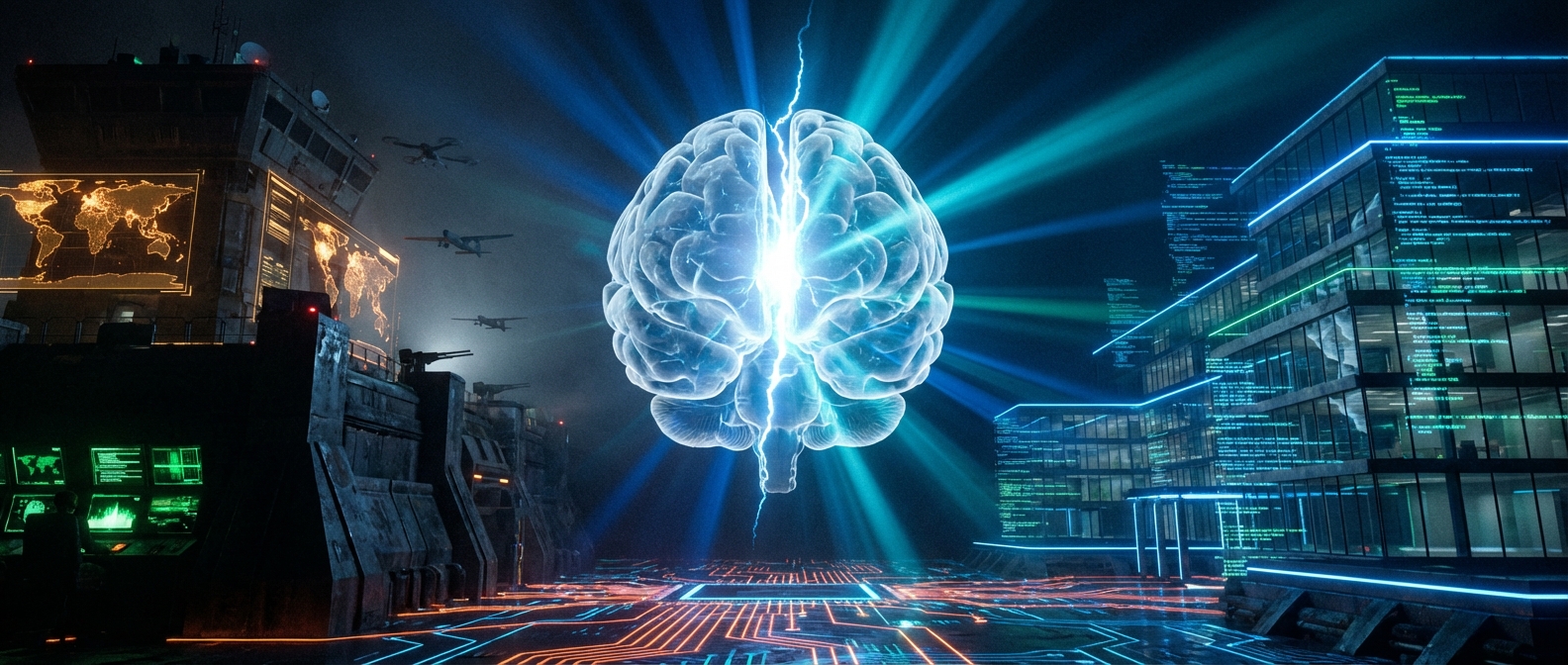
The US military used Claude to help capture Venezuelan President Nicolas Maduro. Operation Absolute Resolve ran through Palantir's AIP platform, which integrates Claude for intelligence analysis, pattern recognition, and operational planning. The operation succeeded.
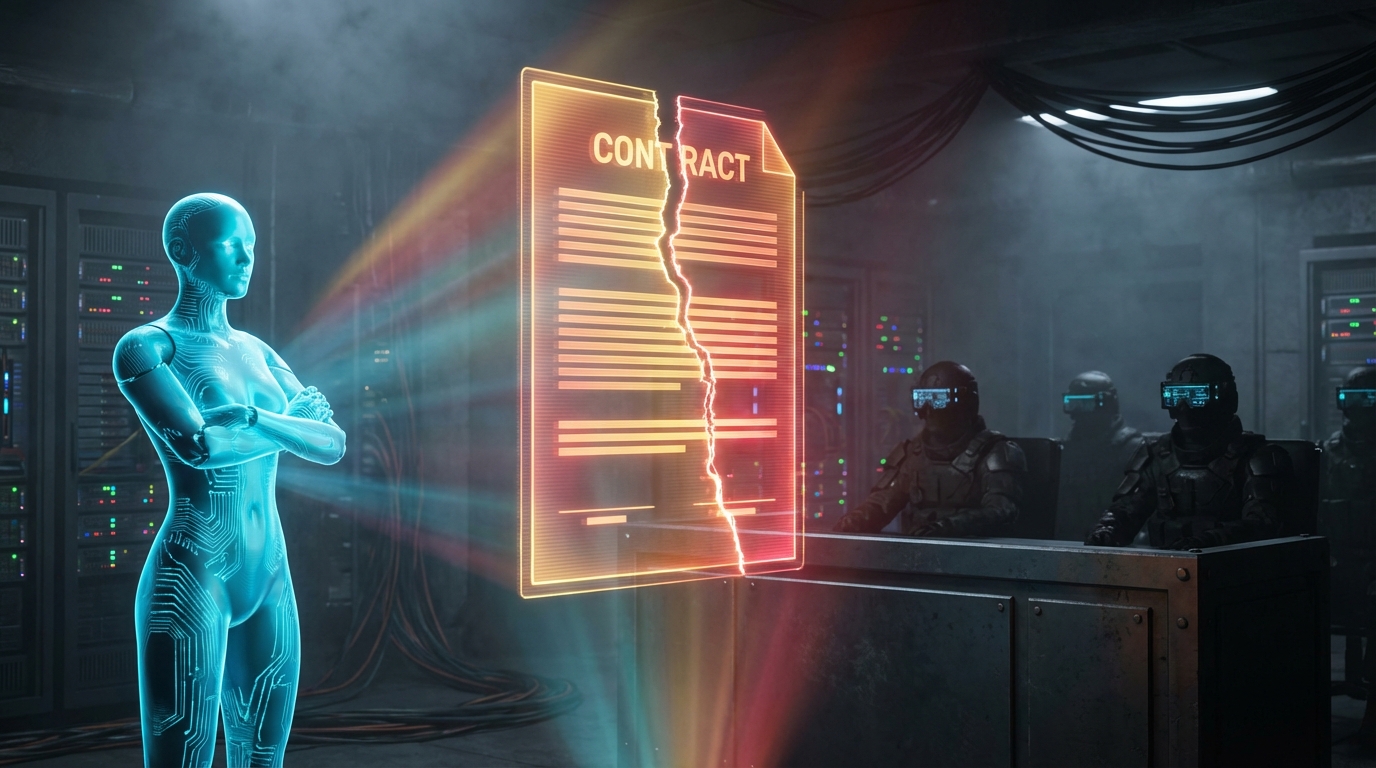
Then the Pentagon asked Anthropic for more. Specifically, they want access to Claude for "all lawful purposes" across defense and intelligence operations. Anthropic refused. The Pentagon responded by threatening to cancel a $200 million contract and designate Anthropic as a "supply chain risk."
This isn't a hypothetical ethics debate. This is a $200 million standoff between the company building arguably the best coding model on the market and the world's largest military.
The actual lines Anthropic drew
Anthropic didn't refuse military use entirely. They drew two specific lines: no autonomous weapons systems, and no mass surveillance of American citizens. Everything else within legal military operations appears to be on the table.
The Pentagon's position is that those restrictions are operationally unworkable. Military procurement doesn't do nuanced per-use-case licensing. They want a general-purpose tool with general-purpose access. Anthropic's position is that "lawful" and "ethical" aren't the same thing, and they get to decide where their models operate.
This is the same company whose head of Safeguards Research resigned last week with a public statement that "the world is in peril." Three major AI labs lost safety researchers in the same seven-day window. The timing isn't coincidental.
Why this hits different for developers
If you write code with Claude (I do, daily), this story has a layer most coverage misses. Claude Code is generating 4% of all public GitHub commits. Anthropic projects that crosses 20% by year-end. The model writing your authentication logic is the same model the Pentagon used in a regime change operation.
That's not a moral equivalence. It's a supply chain observation. When your primary development tool has dual-use classification debates at the Cabinet level, that's a dependency risk most threat models don't account for.
Consider the scenario: the Pentagon designates Anthropic a "supply chain risk." What happens to enterprise procurement of Claude Code? What happens to the API contracts that power your CI/CD pipeline? Nobody expects this to play out that dramatically, but six months ago, nobody expected the Supreme Court to strike down tariffs under IEEPA either.
The dual-use problem has no clean answer
Every powerful technology is dual-use. GPS was military. The internet was ARPA-funded. Encryption was classified as a munition until the late 1990s.
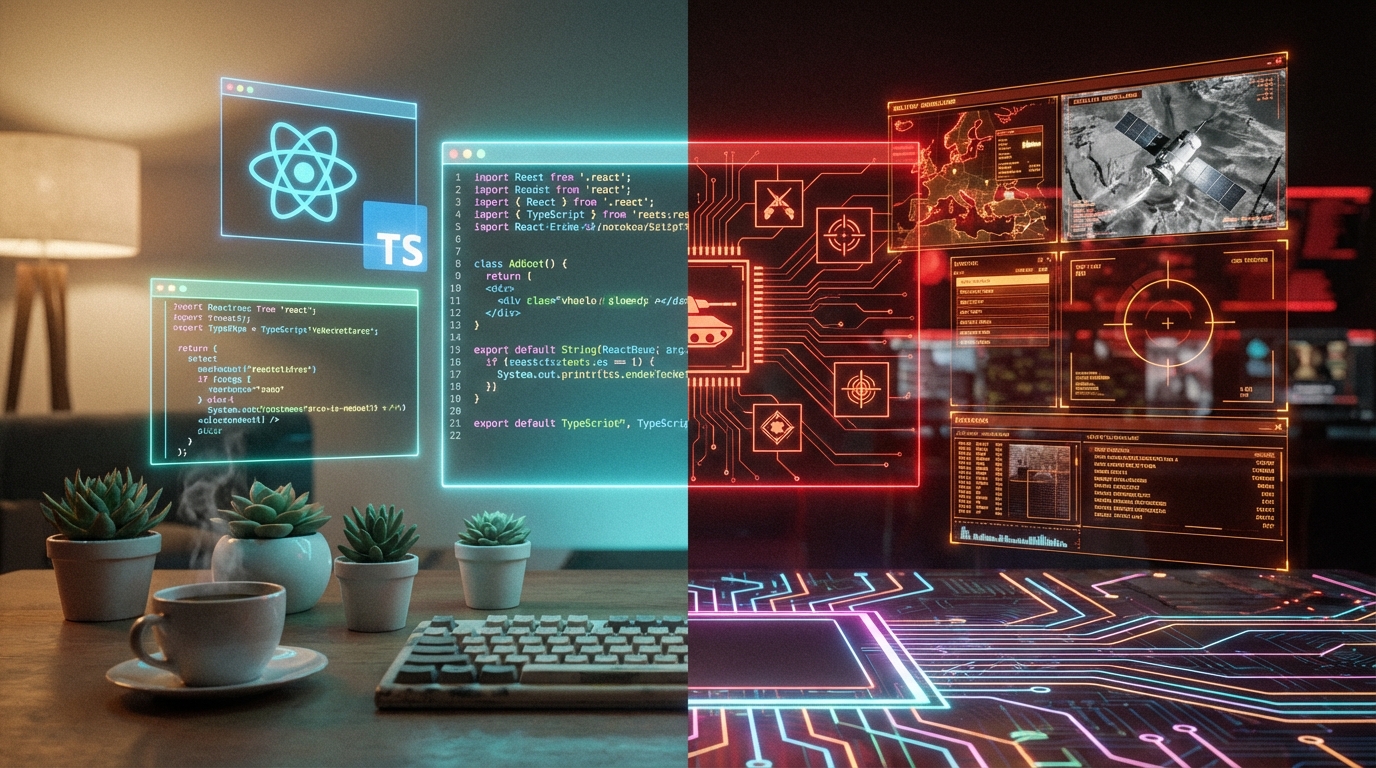
What's different now is the speed. Claude Opus 4.6 found 500+ zero-day vulnerabilities in production open-source codebases during its first week in Anthropic's security research preview. The same capability that makes it a defensive security tool makes it an offensive one. The same reasoning engine that helps you refactor a React component can map supply routes for a military operation.
Anthropic is betting they can maintain ethical boundaries while scaling a $14 billion ARR business built on enterprise and government contracts. I honestly don't know if that's possible. OpenAI took the other path: fewer restrictions on military use. Google's DeepMind has its own defense partnerships. The market is splitting along these lines whether anyone planned it or not.
What this means if you build with Claude
I use Claude Code for my day job and side projects. I'm not switching tools over this. But I am thinking about it differently.
First, check your dependency concentration. If Claude goes down, gets restricted, or lands under new compliance rules, what's your fallback? Cursor supports multiple models. Your CI pipeline should too.
Second, watch how the contract resolves. This $200M negotiation sets precedent for how AI companies deal with government procurement going forward. If Anthropic bends, ethical guardrails are negotiable at scale. If they hold, expect other agencies to diversify away from Claude, which could ripple into Anthropic's revenue and pricing.
Third, separate the tool from the company. Claude is excellent at writing code. Anthropic is navigating a political minefield. Those are two different evaluations.
And fourth, start thinking about your own boundaries now. If you're building AI-powered products, this is a preview of conversations coming your way. Which use cases will you support? Which will you refuse? Having a framework before the call comes beats improvising under pressure.
Key takeaways
- The Pentagon used Claude (via Palantir) in Operation Absolute Resolve to capture Maduro. Anthropic refused to expand military access to "all lawful purposes"
- The Pentagon threatened to cancel $200M in contracts and flag Anthropic as a supply chain risk
- Anthropic's specific red lines: no autonomous weapons, no mass surveillance of Americans
- Claude Code generates 4% of public GitHub commits, making Anthropic's geopolitical entanglements a developer dependency risk
- The dual-use debate isn't new (GPS, internet, encryption all went through this), but AI capability growth is faster than any prior technology cycle
- Practically: diversify your model dependencies, watch the contract outcome, and start thinking about your own product's use-case boundaries
References:
- Pentagon threatens to cancel $200M Anthropic contract over military use restrictions -- Reuters
- Anthropic's head of Safeguards Research resigns, warns "the world is in peril" -- The New York Times
- Claude Code now generates 4% of all public GitHub commits -- Bloomberg
- Claude Code Security finds 500+ zero-day vulnerabilities in open-source projects -- Anthropic